Granite Worktop Templating Explained: Why Precision Matters
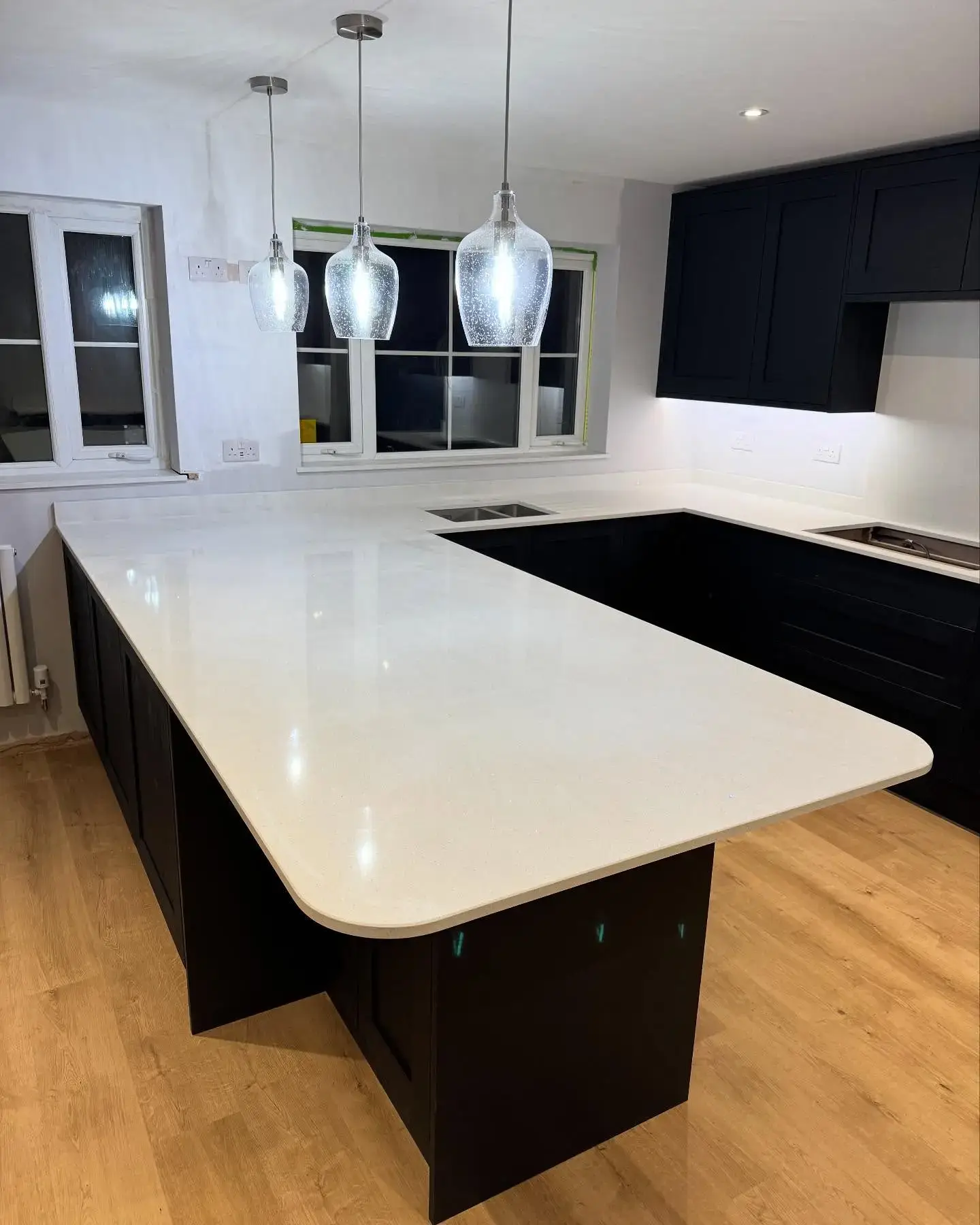
Of all the steps involved in fitting a new worktop, templating is the one homeowners understand least, yet it is arguably the most important. A poor template leads directly to poor fitting, however good the stone itself might be.
What Templating Actually Involves
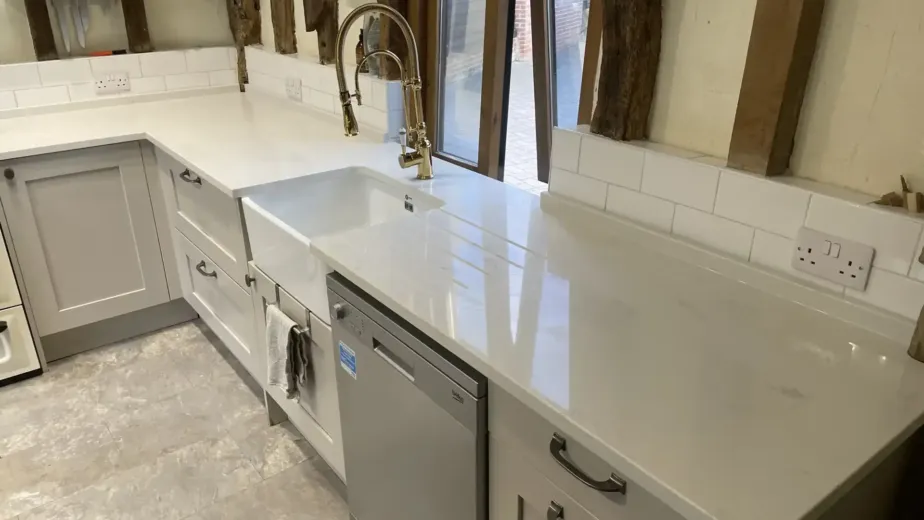
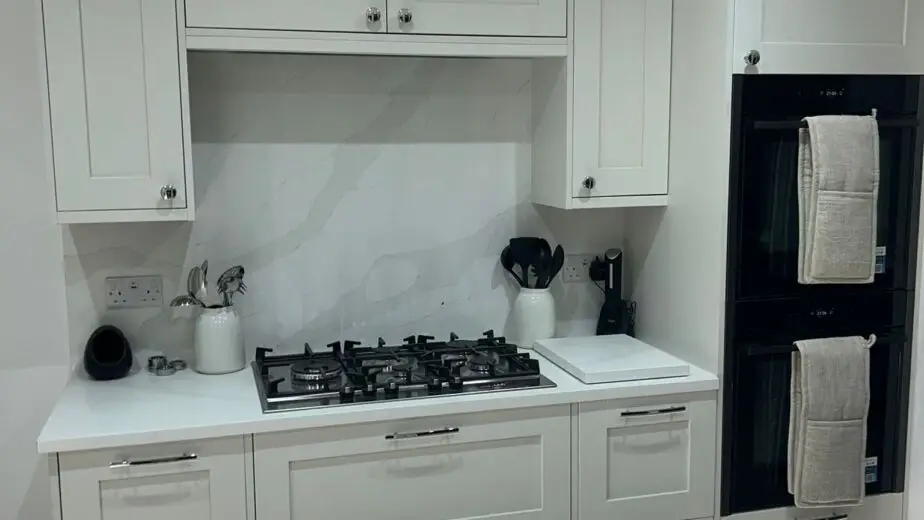
Templating is the process of capturing the exact shape, size and features of the space a worktop needs to fill. This includes wall lengths, corner angles, sink and hob positions, upstand heights and any awkward features such as pipe boxing or uneven plaster. Most kitchens are not perfectly square, even in newly built homes, and templating accounts for these small but important discrepancies.
Physical Templates vs Digital Measuring
Depending on the complexity of a kitchen, we use either lightweight physical template strips or precise digital measuring tools on site. Both approaches aim for the same outcome: a record accurate to within a millimetre or two, which is what allows a slab cut in the workshop to fit perfectly first time.
Why This Step Cannot Be Rushed
Granite and quartz are cut and finished before they ever arrive at your home. Unlike laminate, which can sometimes be trimmed slightly on site, a stone worktop’s dimensions are fixed once fabrication is complete. Any error at the templating stage becomes a permanent problem in the finished kitchen, which is why we always template in person rather than working from a homeowner’s own measurements.
Timing Your Templating Visit
Templating should only take place once cabinets are fully fitted and level, since worktops are measured to sit on top of the units exactly as they will remain. Templating too early, before units are finished, is one of the most common causes of fitting delays we see across other projects.
Our full process page explains where templating fits within the wider installation timeline.
Contact Us
Ready to talk through your project? Get in touch with the Passion for Granite team today.